Genuine Stainless Steel 304L Buttweld Fittings can be identified by verifying ASTM A403 WP304L compliance, checking material test certificates (MTC), confirming chemical composition through PMI testing, inspecting surface quality, and ensuring proper traceability markings. Authentic Stainless 304/304L Pipe Fittings offer superior corrosion resistance, durability, and weldability, making them ideal for critical industrial applications such as chemical processing, oil & gas, and food-grade pipelines.
If you’ve ever faced premature pipe failure, leakage, or corrosion issues, there’s a high chance the root cause was non-genuine fittings.
From hands-on experience working with Stainless Steel 304L Pipe Fittings Manufacturer networks and industrial buyers, one truth stands out: Most failures don’t happen because of design—they happen because of poor material verification. This guide walks you through a practical, real-world quality inspection process to identify genuine ASTM A403 WP 304L Stainless Steel Buttweld Fittings— before they cost you time, money, or safety.
What Are SS 304L Buttweld Fittings?
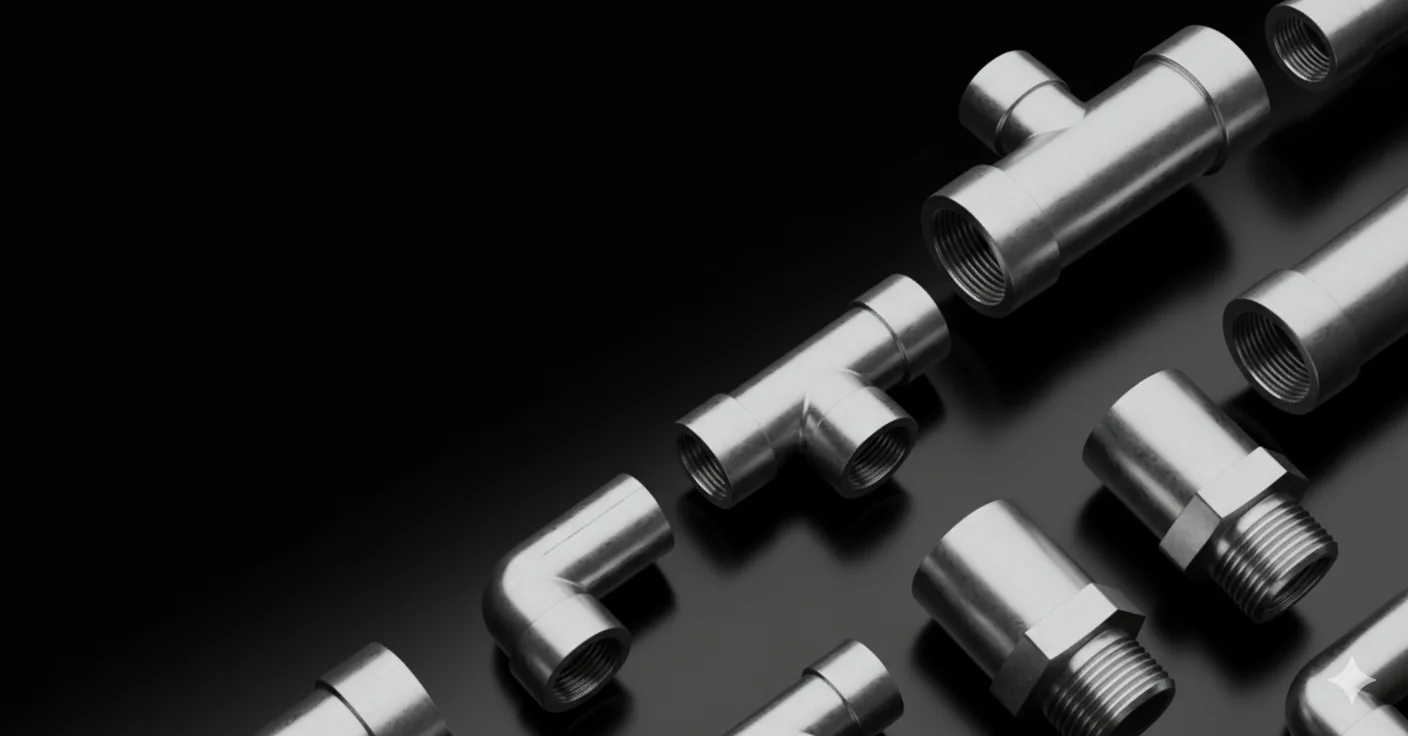
Stainless Steel 304L Buttweld Fittings are low-carbon stainless steel components used to connect pipes through welding.
Key Characteristics:- Low carbon content (≤ 0.03%) → prevents weld decay
- High corrosion resistance
- Excellent weldability
- Strong performance in harsh environments
- SS 304L Elbow
- SS 304L Buttweld Elbow
- SS 304L Reducer
- Pipe bends from SS 304L Reducer / Pipe Bend manufacturer
Step-by-Step Verification Checklist
Use the following checks, in order, to confirm a batch of SS 304L buttweld fittings is genuine before accepting delivery.
- 1. Verify ASTM A403 WP304L Compliance: Confirm the fittings are marked and documented against the ASTM A403 WP304L specification, not a generic or unmarked equivalent.
- 2. Check Material Test Certificates (MTC): Request the mill's MTC for every batch and cross-check the heat number stamped on the fitting against the certificate.
- 3. Confirm Chemical Composition via PMI Testing: Use a Positive Material Identification (PMI) analyzer to verify chromium, nickel, and low-carbon (≤0.03%) content matches the 304L specification.
- 4. Inspect Surface Quality: Look for consistent, defect-free surface finish without pitting, cracks, or lamination — inconsistent finish often signals a non-genuine or mixed-grade batch.
- 5. Ensure Proper Traceability Markings: Genuine fittings carry permanent heat/lot markings that trace back to the mill certificate — reject unmarked or re-stamped material.
Request Your Genuine SS 304L Fittings Quote Today!